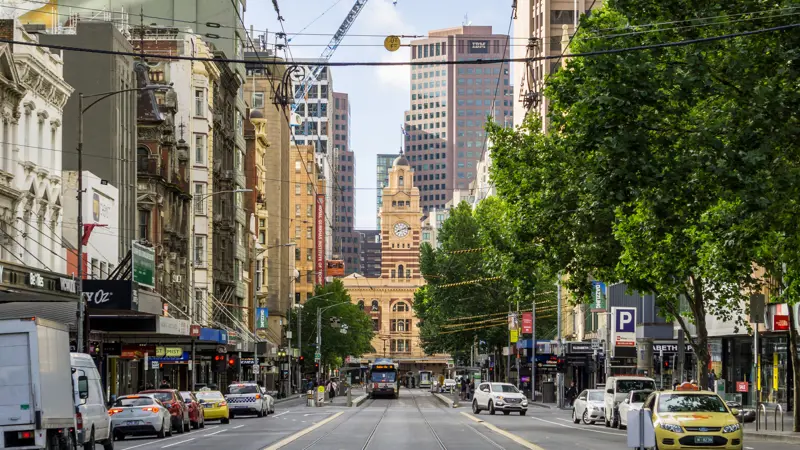
Responding to fuel insecurity while reducing car dependence
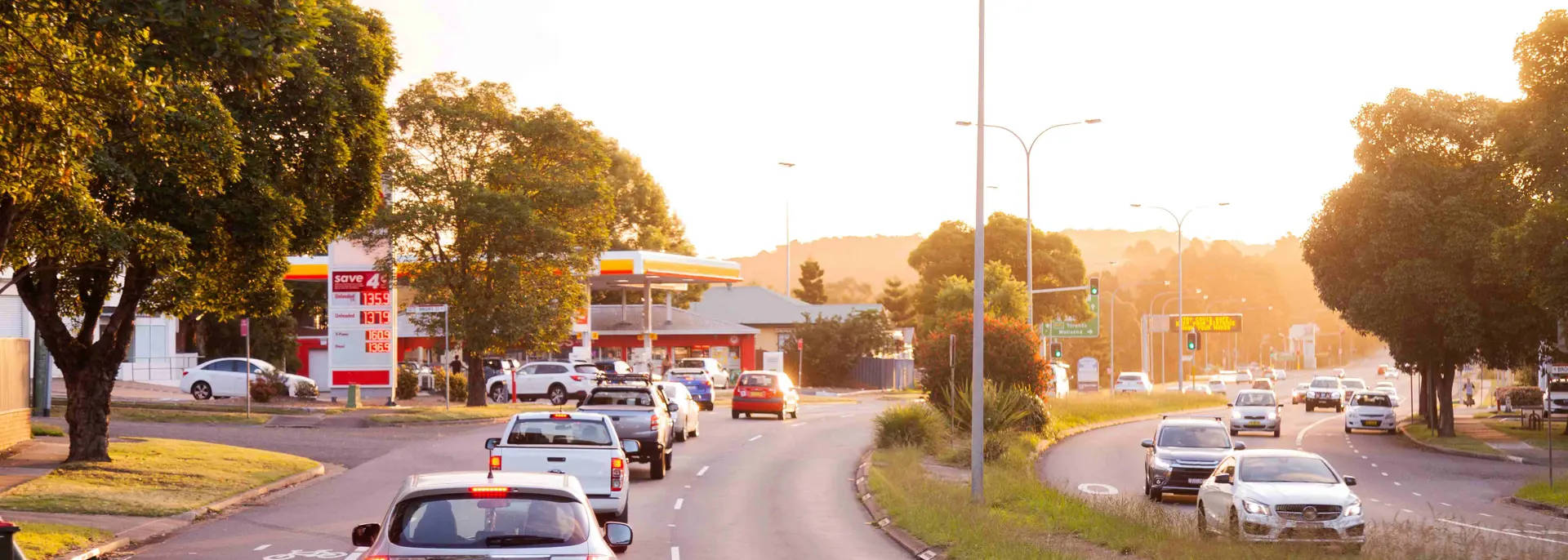
Fuel insecurity is no longer a future risk for Australia’s transport system; it’s a growing structural challenge already affecting households, businesses and freight networks across the country.
Our recent report, Fuel insecurity as a catalyst: moving Australia beyond car dependence, examines how rising fuel costs, global supply instability and continued car dependence are increasing pressure on Australian communities, while also creating a critical opportunity to accelerate transport reform.
With around 90 per cent of Australia’s liquid fuels imported, local transport systems remain highly exposed to international disruption and price volatility. While electric vehicle uptake continues to grow, technology alone will not solve broader challenges around congestion, affordability and access to transport.
Instead, there is a need for long‑term system change that gives people practical alternatives to private car use through better public transport, walkable neighbourhoods and safer active transport networks.
Drawing on international examples and recent Australian transport data, the report shows that many urban trips are short enough to be completed by walking, cycling or public transport if infrastructure is reliable, connected and convenient. Research also points to growing public willingness to shift travel behaviour where genuine alternatives exist.
While Australian cities have made progress through investment in rail, active transport and integrated land use planning, reform has not yet matched the scale of the challenge. Fuel insecurity, combined with housing affordability and cost‑of‑living pressures, is increasing the urgency for more decisive action.
The report also highlights the important role projects play in delivering meaningful change by aligning land use, transport and economic outcomes to create more resilient, affordable and liveable communities.